Wellness Health Optimal Life Experience
WHOLE Student-Athlete Equation:
Physical Health + Psychological Health + Academic Health + Career Health = Life Ready
The Crawford Family WHOLE Student-Athlete™ Program encompasses how all of CU Athletics works together on behalf of the Student-Athletes, to provide UNPARALLELED integrated care and services, EVIDENCE-BASED, personalized response to the needs of ALL Student-Athletes, with multi-disciplinary support EMBEDDED within and throughout the entire Department of Athletics. ALL of this is aimed at promoting WHOLE-istic health and Life-Readiness
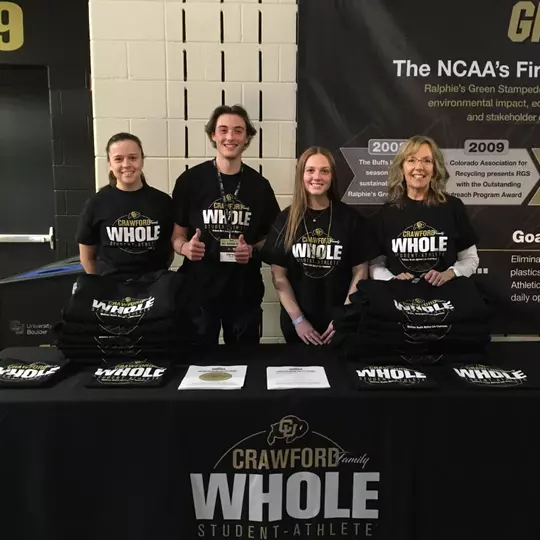
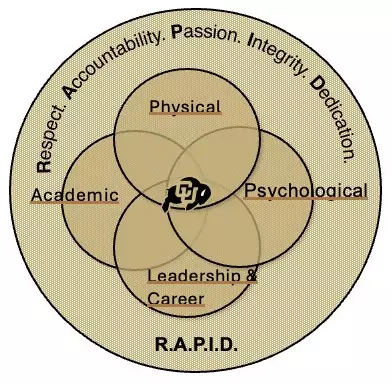
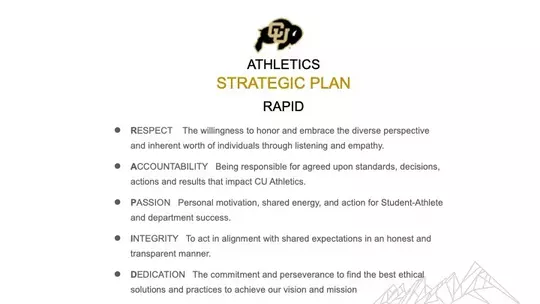
Fostering an environment of Respect, Accountability, Passion, Integrity, and Dedication (RAPID), within which Buffs compete for an win championships.
Why does WHOLEness Matter?
Wellness, Health and Optimal Life Experiences are key to supporting CU Student-Athletes, and are accomplished through CU’s comprehensive approach to Physical, Psychological, Academic and Career Health; resulting in the WHOLE Student-Athlete @ CU being Life-Ready.
MISSION
Enhancing the capability and capacity for the WHOLE-istic Development of Student-Athletes by facilitating Sports Science, Applied Developmental Science, and Research & Programming across Intercollegiate Athletics with the inclusion of all stakeholders (e.g., Student-Athletes, Staff, Departments, Coaches, and Leadership).
"A first-of-its-kind program, The Crawford Family WHOLE Student-Athlete™ Program, (or Wellness Health Optimal Life Experience) uses data, collaboration and a cohesive approach to help Student-Athletes develop and maintain their physical health, psychological health, academic health, and leadership & career health in preparation for success in life long after their athletics careers are over.
Since its inception in CU Athletics, the WHOLE Student-Athlete Program has ensured there are no gaps in student-athlete care, programming and services, despite the rapidly evolving current landscape of collegiate athletics. The WHOLE Student-Athlete Program's overarching mission is to ensure ALL Student-Athletes are healthy and successful in competition, in the classroom, and in life well beyond their time at the University of Colorado.
I’m so proud of this program for continuing to revolutionize the Student-Athlete experience and keep CU Athletics on the cutting edge of health, wellness and performance science. "
- Fernando Lovo, Director of Athletics, 2026
What WHOLE Student-Athletes™ are saying
WHOLE is about "Growth, Excellence and Sustained Effort”. "Opportunities and Resources”. “Skill Development” “Support and Community “ “Leadership and Empowerment"
“Prepared me to work with people and in group settings … how to be a positive leader…manage my time efficiently, communicate effectively.”
“It prepared me for any adversity that life throws my way.”
"One of the many ways in which Colorado Athletics is a national leader is our commitment to innovation, especially when that innovation positions our student-athletes for success. The Crawford Family WHOLE Student-Athlete™ program is a first-of-its-kind initiative that has revolutionized how CU sets its student-athletes up for success in competition, and more importantly, in life.”
- Rick George, Athletic Director Emeritus
“I am honored to be the first Director of the Crawford Family WHOLE Student-Athlete Program at CU. CU Athletics is a leader in its emphasis on student-athlete health across multiple domains (i.e., psychological, physical, academic and career). This WHOLE-istic approach is present throughout the Student-Athlete’s life-course trajectory from recruit to student to alumnus. In these ways, CU Athletics becomes an integral part of our student-athletes being champions throughout their lives. I look forward to working with our Student-Athletes, particularly in relation to research questions or programming they may be interested in developing, as well as the strong Departments and Teams that support and enrich our Student-Athletes before, during and after their time at CU Boulder. Go Buffs!"
– Dr. Theresa Hernández, Inaugural Director Crawford Family WHOLE Student-Athlete Program (2022-2026)
“Too often in College Athletics do the pressures surrounding our industry and higher education as a whole create a state of affairs in which administrators are overwhelmed with addressing a seemingly endless stream of issues, forcing us to spend inordinate amounts of our time focused on finding temporary fixes to nuanced problems that require much more intricate solutions. And while some may contend that the distraction of our attention is perhaps warranted given the current circumstances, the on-going crisis has really only exposed our inclinations towards taking a patchwork approach when trying to solve challenges fundamental to why our industry exists in the first place – to maximize the academic and athletic opportunities available to each one of our students athletes.”
– Rick George, “Maximizing Student Athlete Outcomes Should Be The Only Priority," August 2022
CU Athletics will win championships and develop WHOLE Student-Athletes™ by growing revenue, making strategic investments, and building a world-class infrastructure.
– From CU Strategic Plan Mission Statement
Sports Science
Within WHOLE, the Sports Science department is dedicated to integrating technology, athlete care, and performance optimization, ensuring that CU’s Student-Athletes benefit from one of the most innovative and collaborative performance models in collegiate athletics.
Physical Health
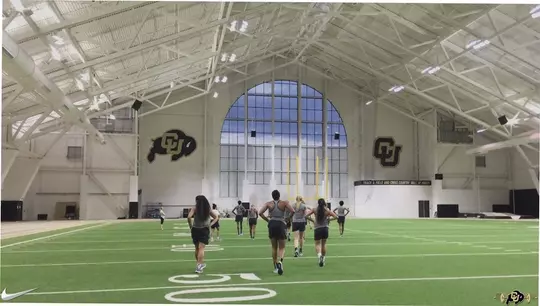
Physical wellness means recognizing the need for physical activity, healthy foods and sleep. Every sport team has a sport specific platform enabling 24/7 real time analytics and collection/analysis of pertinent key performance indicators. Every single athlete at Colorado has a specific profile capturing ALL of their data across all CU departments; Sport, S&C, Medical, PHP, PND, LCDP, and Academics. To date what we’re doing is the MOST comprehensive 360- analysis of a collegiate athlete.
Resources: Sports Medicine, Performance Nutrition and Sport Performance Departments are all aligned using the Kitman Labs partnership.

Psychological Health
Psychological Health & Performance (PHP) is the office within CU Athletics focused on mental health and wellness. Education, Prevention, and Intervention are the three focus areas of PHP. CU PHP will contribute to overall Student-Athlete health and performance by inspiring Student-Athletes to succeed academically, athletically and personally. This will be accomplished through individual, group, and team interactions that encourage psychological health while challenging personal growth.
Resources: Confidential, unlimited, and free mental health services including counseling, individual and team consultation to the student-athletes at CU. Work with a wide variety of clinical issues (anxiety, depression, relationship/family issues, substance use, eating disorders/disordered eating, trauma, transitions, self-esteem, etc.) Programs include: Mental Health Awareness, Bolder Buffs, Mental Lift & Training
Academic Health
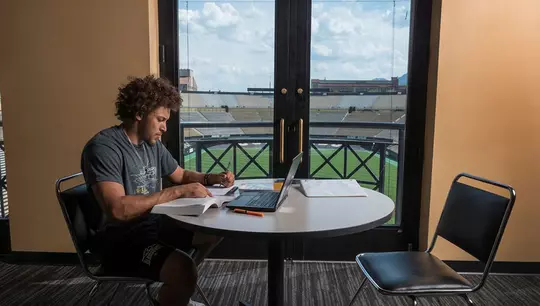
The Herbst Academic Center (HAC) is committed to delivering a world-class and holistic academic experience to all Student-Athletes by providing the support necessary to develop independent, resourceful learners who graduate and seek personal and professional excellence.
Resources: Tiered Study Hall Program, Athletic Academic Coordinating, Academic Mentorship, Subject Tutor, Learning Facilitators, PASS Program, Campus Disability Services, First Year Program, Summer Bridge, Priority Class Registration.
Career Health
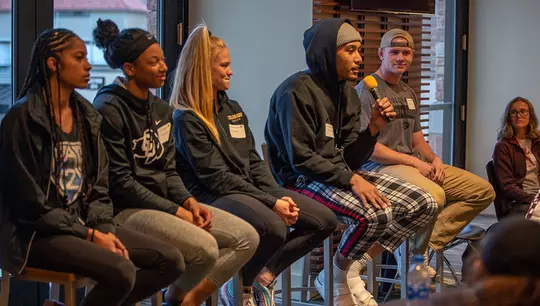
The Scripps Leadership and Career Development Program creates opportunities for Student-Athletes to discover their passions and leverage their experiences for continued individual and professional success.
Resources: First Year Experience Transition Program, Gamble Successful Transition & Exit Planning for Seniors (STEPS) Program, Leadership Academies, Diversity & Inclusion Initiatives, Student-Athlete Advisory Committee, One–on–One Career Coaching, Flex-Internships, Google Boulder Mentor Program, Buffs with a Brand Marketing & Entrepreneurship Program, Career Combine & Professional Networking Events, BuffsGoPro.com – Career Platform, Job Shadows, Mock Interviews & Informational Interviews

Strategic Impact
“Strategic Impact encompasses CU Athletics identity, belonging and affinity-based programs. The impact is felt through student-athlete success programs, fan engagement, strategic planning and community partnerships.”